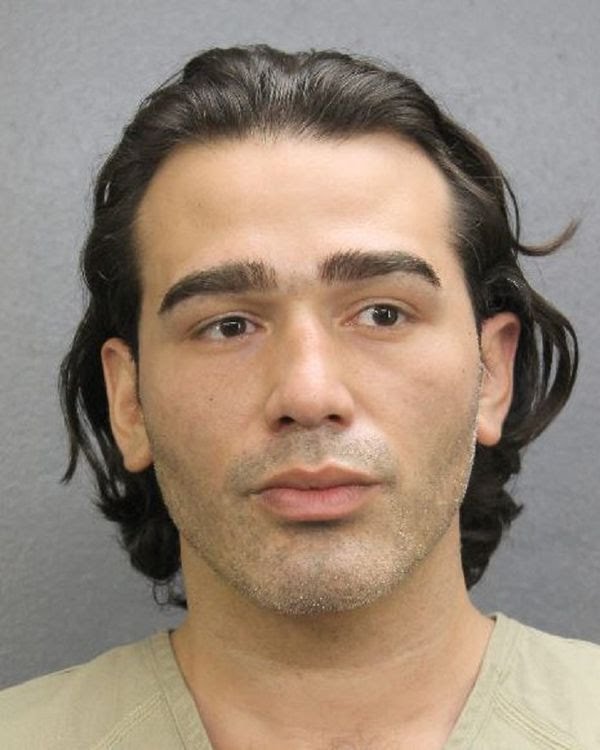
Paul Miller: From Dedicated Fighter to Regional Light-Heavyweight Champion
Before becoming a polarizing internet personality known as GypsyCrusader, Paul Nicholas Miller carved out a significant, albeit lesser-known, career in the intensely competitive world of Muay Thai. His journey through the ranks of combat sports culminated in a remarkable achievement: becoming a Regional Light-Heavyweight Champion. This article delves into Miller's fighting past, exploring the dedication, skill, and sheer grit that defined his time in the ring and contributed to the legacy of the Gypsy Crusader's Muay Thai career.
For many, the name Paul Miller might conjure images of controversial online streams. However, to truly understand the man's earlier life and formidable capabilities, one must look back at his formidable presence in the world of professional fighting. His journey to a championship title is a testament to the discipline and mental fortitude required to excel in one of the world's most demanding martial arts.
The Genesis of a Fighter: Paul Miller's Entry into Muay Thai
Born on August 11, 1988, in New York, Paul Miller's path into combat sports began at the relatively young age of 20. In 2008, he stepped into a Muay Thai gym, a decision that would profoundly shape a significant chapter of his life. Muay Thai, often referred to as the "Art of Eight Limbs," is renowned for its use of fists, elbows, knees, and shins, demanding an unparalleled level of physical and mental conditioning. Miller's commitment was immediate and intense, a characteristic that would quickly set him apart.
His progression in the sport was nothing short of rapid. After just three months of rigorous training, Miller had his first amateur fight in 2008. This swift transition from novice to active competitor speaks volumes about his inherent talent, the quality of his coaching, and his unwavering dedication. Such a rapid debut is uncommon, as most aspiring fighters spend considerably more time honing their techniques and conditioning before stepping into the competitive arena. This early success hinted at the champion he would later become, laying the groundwork for many a future Gypsy Crusader fight.
Miller's training foundation was built within reputable institutions. He honed his craft at 9 Weapons Muay Thai, a gym known for producing skilled practitioners. Later, he continued his development at The Institute, further solidifying his technical prowess and strategic understanding of the sport. The quality of these training environments undoubtedly played a crucial role in his development, providing him with expert guidance and tough sparring partners necessary for growth.
The Discipline of the Art of Eight Limbs
- Intense Conditioning: Muay Thai training involves grueling cardio, strength, and flexibility exercises, preparing fighters for the demanding pace of a bout.
- Technical Mastery: Hours are spent perfecting the intricate dance of punches, kicks, elbows, and knees, alongside the crucial art of the clinch.
- Mental Fortitude: Beyond physical prowess, the sport demands extreme mental toughness, resilience, and the ability to perform under pressure.
Ascending to Regional Glory: The Light-Heavyweight Champion
The pinnacle of Paul Miller's competitive Muay Thai career was his achievement as the Regional Light-Heavyweight Champion. This title is a significant milestone in any combat sport, signifying not just individual skill but also consistency, strategic brilliance, and the ability to overcome a series of formidable opponents. The light-heavyweight division (typically around 175-185 lbs or 79-84 kg in Muay Thai, though weights can vary slightly by organization) is often celebrated for its blend of power and speed, where fighters possess knockout potential without sacrificing agility.
Becoming a regional champion means dominating a specific geographical area, often implying a strong record against other top contenders in that region. It's a testament to sustained performance, rigorous training camps, and successful navigation through multiple high-stakes gypsy crusader fight encounters. Each victory on this path builds not just a record, but also confidence, experience, and an undeniable aura of a champion.
What it Takes to Be a Regional Champion
To reach this level, Miller would have demonstrated a comprehensive skill set:
- Powerful Striking: Delivering devastating punches, kicks, and elbow strikes, characteristic of the light-heavyweight class.
- Masterful Clinch Work: The intricate grappling and kneeing techniques within the clinch are often decisive in Muay Thai bouts.
- Exceptional Stamina: Enduring multiple rounds of high-intensity action requires peak cardiovascular fitness.
- Strategic Acumen: The ability to adapt to opponents' styles, exploit weaknesses, and execute game plans under pressure.
- Mental Resilience: Overcoming adversity, enduring pain, and maintaining composure in the heat of battle.
His title as Regional Light-Heavyweight Champion places him among a select group of elite fighters who have proven their dominance within a tough regional circuit. It's an accomplishment that speaks volumes about his dedication to the sport during that period of his life.
Beyond the Ring: Miller's Broader Contributions to Combat Sports
While his championship reign marked a highlight, Paul Miller's involvement in combat sports extended beyond his own competitive journey. The reference context also notes his role as a former trainer. This transition from fighter to mentor is a common, yet equally challenging, progression for many athletes. As a trainer, Miller would have been responsible for imparting his knowledge, techniques, and strategic insights to aspiring fighters, guiding them through their own development.
His experience as a champion would have provided invaluable lessons for his students, not just in technique but also in the mental preparation and discipline required to succeed. This dedication to the sport, both as a competitor and a coach, underscores a deep-rooted passion for martial arts that predates his later public persona. His journey in Muay Thai, from a budding fighter to a regional champion and then a trainer, showcases a multifaceted engagement with the sport, demonstrating a profound understanding of its physical and mental demands.
Lessons from a Champion's Journey: Insights for Aspiring Fighters
Paul Miller's rapid ascent to a regional championship offers several valuable insights for anyone aspiring to excel in combat sports or, indeed, any challenging endeavor:
- Embrace Early Dedication: Miller's first amateur fight after just three months of training highlights the power of intense, focused dedication from the outset. Don't procrastinate; commit fully.
- Seek Quality Coaching: Training at renowned gyms like 9 Weapons Muay Thai and The Institute provided him with the best possible foundation. The right mentors are crucial for development.
- Set Ambitious Goals: From his quick debut to aiming for a regional title, Miller set clear, challenging objectives, which fueled his drive and progress.
- Master the Fundamentals: While flashiness has its place, true champions build their success on a solid foundation of fundamental techniques and relentless conditioning.
- Mental Fortitude is Key: The journey to a championship is fraught with challenges. Developing resilience, managing pressure, and maintaining a winning mindset are as important as physical prowess.
Understanding the commitment involved in a gypsy crusader fight and the path to becoming a champion can inspire aspiring athletes to push their own boundaries and pursue their goals with similar fervor.
Conclusion
Paul Miller's journey as a Regional Light-Heavyweight Champion in Muay Thai serves as a compelling reminder of his athletic prowess and the formidable dedication required to achieve such a distinction in the demanding world of combat sports. Long before he became known by his internet moniker, Miller was a disciplined fighter, training intensively and competing at a high level. His championship title is a testament to his skill, perseverance, and strategic acumen in the ring. While his later life took a different, controversial turn, his achievements in Muay Thai stand as a historical record of a formidable athlete who reached the pinnacle of regional success in one of the world's toughest martial arts.